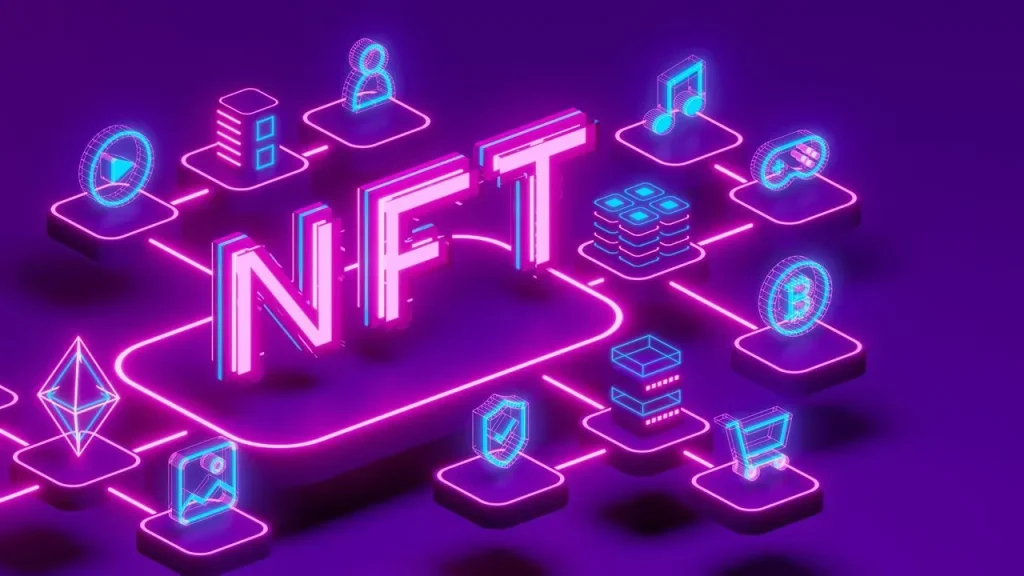
NFTs and digital ownership are reshaping how we assign value to art, media, and digital experiences. NFTs in art and media bridge creators and collectors by offering verifiable provenance and new monetization paths. In the crypto art market, digital ownership on blockchain provides transparent provenance and immutable records of ownership. Smart contracts can automate NFT royalties for artists on secondary sales, delivering ongoing revenue streams. At the same time, NFT intellectual property rights require clear licensing so rights holders and buyers know what can be reproduced or remixed.
Beyond traditional NFTs, this shift is about blockchain-backed, tokenized digital assets and on-chain certificates that certify ownership. In practical terms, the language moves from ‘NFTs’ to concepts like tokenized digital assets, on-chain licenses, and programmable royalties. Verifiable provenance, scarcity, and clear rights management become foundational, guiding collaborations across creators, collectors, and platforms. As licensing terms and derivative permissions mature, the market will favor transparent agreements and responsible experimentation. Ultimately, governance models and IP clarity will determine how communities value and steward digital works in this evolving ecosystem.
NFTs and digital ownership: Redefining provenance, royalties, and access in the crypto art market
NFTs are unique digital assets verified on a blockchain, enabling verifiable provenance, scarcity, and a transparent transfer history for digital art and media. In the crypto art market, this on-chain record helps collectors authenticate works, trace ownership, and participate in a global ecosystem that rewards creators through transparent mechanisms like NFTs royalties for artists on secondary sales. The fusion of tokenized ownership with immutable ledgers reshapes how value is assigned to digital works, supporting new business models that align artist compensation with ongoing circulation and audience engagement. This shift is central to NFTs in art and media, where clear provenance and on-chain records enhance trust and market visibility.
Beyond purchase, the real power lies in how smart contracts automate ongoing royalties and establish durable revenue streams as works move through resale. NFT royalties for artists can be embedded into token contracts, ensuring a percentage of proceeds from secondary sales returns to the creator. This digital ownership on blockchain framework also emphasizes the need for explicit NFT intellectual property rights terms, so buyers understand the scope of permissions alongside token ownership. While licensing clarity and platform rules help prevent disputes, they also enable responsible experimentation with derivatives, collaborations, and new licensing models that power a more resilient crypto art market.
NFT Intellectual Property Rights and Licensing in the Crypto Art Market
Purchasing an NFT often confers ownership of the token, but it does not automatically transfer all rights to reproduce, remix, or commercialize the underlying work. NFT intellectual property rights can vary by project, platform, and licensing terms, making clear what is conveyed essential for buyers and creators alike. The distinction between token ownership and IP rights becomes especially important as the crypto art market expands into multimedia formats, where licensing terms, exclusivity, and derivative permissions shape long-term value and collaboration opportunities. Clear IP terms help prevent misunderstandings and support fair use, collaboration, and monetization within the broader media ecosystem.
Practical implications for creators and collectors center on informed decision-making and contract clarity. Artists should publish licensing plans that differentiate token ownership from IP rights, specify permissions for derivatives, and define whether licenses are exclusive or non-exclusive. Collectors benefit from verifying on-chain metadata, platform policies, and the terms attached to the NFT to understand licensing scope and potential future governance or licensing changes. As communities form around on-chain provenance and governance, platforms that offer transparent IP terms, robust royalties, and responsive user experiences can help foster sustainable creativity while protecting both intellectual property and market trust.
Frequently Asked Questions
How do NFTs and digital ownership on blockchain reshape the crypto art market for creators and collectors?
NFTs turn digital works into unique, blockchain-verified assets with provable provenance, reshaping the crypto art market by enabling direct, borderless sales between creators and collectors. Smart contracts automate NFT royalties for artists on secondary sales, providing ongoing income within the digital ownership on blockchain. Because licensing terms vary by project, buyers should review NFT intellectual property rights and licensing to understand what rights are conveyed with the token.
What should artists know about NFT royalties for artists and NFT intellectual property rights when navigating NFTs and digital ownership in art and media?
NFT royalties for artists provide ongoing revenue through programmable commissions on secondary sales via smart contracts. But NFT intellectual property rights are not automatically transferred with the token; licensing terms govern reproduction, derivative works, and commercial use. Before minting, clarify IP terms, choose clear licensing, and ensure the terms align with your goals and local laws while informing collectors in art and media.
| Key Point | Description |
|---|---|
| NFTs and digital ownership defined | NFTs are unique digital assets verified on a blockchain, representing ownership, provenance, and transferability rather than interchangeable value like cryptocurrencies. |
| Crypto art market role | Democratizes access for artists and buyers; minting NFTs enables direct global reach with transparency, while introducing potential volatility and the need for education about risks and rights. |
| Digital ownership on blockchain | Maintains a durable chain of custody, proving authenticity, tracking history, and managing transfers for digital works, with scarcity and provenance on-chain. |
| NFT royalties for artists | Smart contracts automate royalties on secondary sales, providing ongoing income and a more resilient revenue model, albeit with varying structures across platforms. |
| NFT IP rights | Owning an NFT often confers token ownership but not automatically all rights to reproduce, remix, or commercialize the underlying work; licensing terms determine usage. |
| Practical implications for creators/collectors | Direct monetization, new engagement models (unlockable content, access rights), and the need to review terms and licensing before purchasing. |
| Community and governance | Token holders can influence project direction and funding, fostering collaboration and potential long-term value. |
| Risks and considerations | Environmental impact, market volatility, licensing/compliance complexity, and the importance of ongoing education and provenance records. |
| Best practices | Clear licensing plans, layered access, transparent metadata, verifiable on-chain provenance, robust royalties, and choosing reputable platforms. |
| Case studies | Artists experimenting with tokenized ownership, automatic royalties, and governance-driven projects illustrate evolving applications in art and media. |