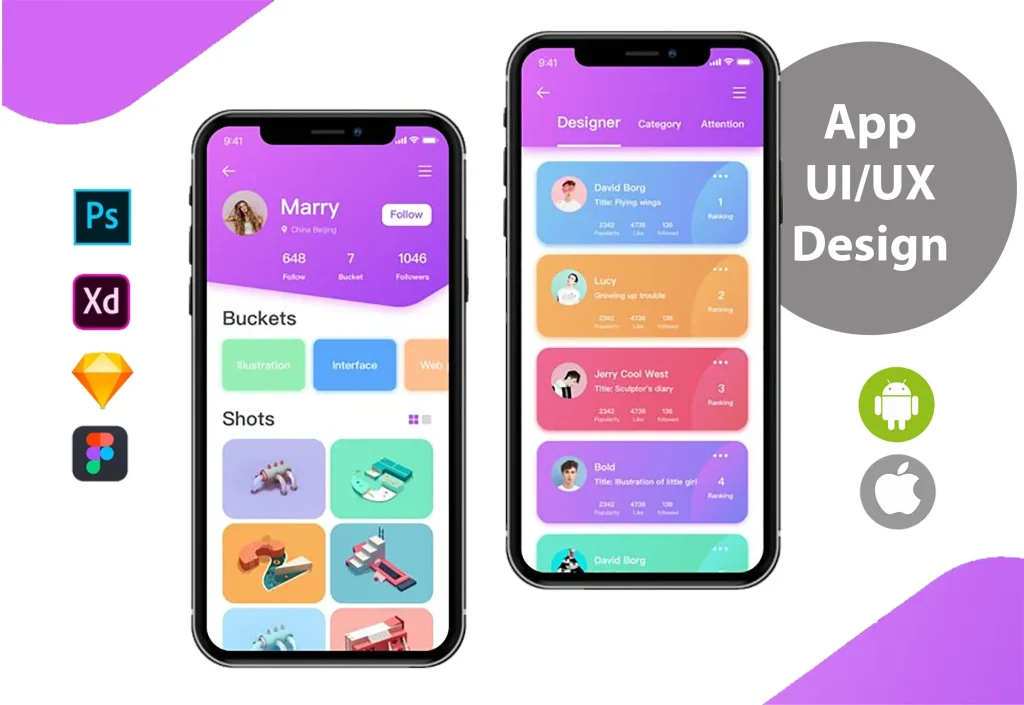
Mobile UX Design Trends are reshaping how users interact with apps and sites on small screens, demanding faster, more intuitive experiences. By embracing Mobile UX best practices, teams can ensure clear information hierarchies, accessible controls, and performant experiences across devices. Modern mobile experiences now lean toward mobile app design trends that emphasize responsive behavior, fluid layouts, and context-aware interfaces. As users swipe, tap, and glance at tiny screens, designers prioritize responsive mobile interfaces, micro-interactions in UX, and subtle motion that guides without distraction. This hands-on guide highlights why these trends matter and offers practical steps to implement them for higher engagement and retention.
From a broader perspective, the mobile user experience evolves through handset-focused patterns and on-device interface improvements that emphasize speed, clarity, and accessibility. As designers explore gesture-driven navigation, adaptive layouts, and consistent motion, the focus shifts toward context-aware experiences that feel natural on any screen size. Long-term success comes from a cohesive design system and a relentless eye for legibility, contrast, and performance, ensuring seamless use across devices.
Mobile UX Design Trends You Must Implement in 2025
In 2025, Mobile UX Design Trends demand that interfaces adapt fluidly to different devices while maintaining clarity and speed. Prioritize responsive mobile interfaces with flexible grids, scalable typography, and accessible touch targets so users can interact comfortably from small phones to larger tablets. Micro-interactions in UX become signals that communicate state, progress, and success without cluttering the screen, helping users stay oriented during tasks. Aligning with Mobile UX best practices and the broader stream of mobile app design trends ensures your product feels fast, reliable, and delightful across contexts.
To turn these trends into results, start with a cross‑platform design system that covers iOS, Android, and web contexts. Conduct a mobile UX audit to identify friction points in responsiveness and motion, then prototype early and test on real devices. Measure outcomes such as task success rate, time-to-complete, and bounce rate, and tie improvements to micro-interactions in UX that reinforce progress without interrupting flow. Prioritize accessibility, motion preferences, and consistent typography to deliver a coherent experience that scales as your product grows.
Gesture Navigation, Dark Mode, and Performance: Practical Strategies for Elevating Mobile UX
Gesture navigation introduces natural, discoverable ways to move through apps. Map common actions to swipes, taps, and long‑press gestures that are easy to learn and remember, and pair them with subtle hints during onboarding. Design for responsive mobile interfaces so gestures feel consistent across devices, and always provide alternatives for users who rely on assistive technologies to maintain accessibility.
To implement these strategies, document gesture patterns in your design system and set motion guidelines that keep animations purposeful and quick. Use real-device testing to refine reachability, feedback timing, and perceived speed. Track metrics such as gesture discoverability, error rates, and task completion times, and continuously optimize for performance, readability, and accessibility while keeping the user at the center of your Mobile UX design decisions.
Frequently Asked Questions
What are the key Mobile UX Design Trends for 2025, and how can micro-interactions in UX and responsive mobile interfaces influence their implementation?
Key Mobile UX Design Trends for 2025 include responsive mobile interfaces, micro-interactions in UX, gesture navigation, dark mode, and performance-focused accessibility, all supported by a robust design system. To apply them:
– Use flexible grids and scalable typography to ensure responsive mobile interfaces across devices
– Design purposeful micro-interactions to communicate state and guide tasks
– Introduce gesture navigation with discoverable patterns and onboarding
– Provide a dark mode option with accessible contrast and readability
– Prioritize performance and accessibility from day one and maintain a cross-platform design system
How should teams implement responsive mobile interfaces and gesture navigation within a design system to align with mobile app design trends and Mobile UX best practices?
To implement responsive mobile interfaces and gesture navigation within a design system, follow these steps:
– Start with a mobile UX audit to identify friction in responsive layouts and gesture flows
– Build a cross-platform design system with tokens, components, motion guidelines, and accessibility rules
– Validate gesture-based flows with real-device testing, including onboarding hints and accessible alternatives
– Measure impact with task success rate, time-to-complete, and gesture adoption, then iterate
This approach aligns with mobile app design trends and Mobile UX best practices, ensuring consistency and strong performance across devices
| Trend | What It Means | Key Benefits | Practical Implementation Tips |
|---|---|---|---|
| Responsive Mobile Interfaces and Fluid Layouts | Interfaces adapt to different screen sizes and orientations while preserving clarity and visual rhythm across devices. | Improved usability, reduced cognitive load, universal experience. |
|
| Micro-Interactions and Subtle Feedback | Tiny, purposeful moments that guide users and confirm actions (e.g., button ripple, progress indicators). | Communicate state, provide reassurance, reduce uncertainty, and reinforce perceived speed. |
|
| Gesture Navigation and Natural Motion | Gesture-based navigation replaces or augments menus and should be easy to discover and remember. | Faster tasks, reduced clutter, and a more immersive experience. |
|
| Dark Mode and Visual Clarity | Dark mode improves readability in low light, saves energy on OLED screens, and supports visual clarity. | Better readability, reduced eye strain, potential battery savings. |
|
| Performance, Accessibility, and Contextual UX | Speed, accessibility, and context-aware experiences across network and device capabilities. | Increased trust, reliability, higher retention. |
|
| Design Systems and Consistency Across Devices | A design system accelerates development and ensures consistency across platforms. | Faster iteration, improved accessibility and performance. |
|
| Practical Implementation Tips |
|
|
Summary
Mobile UX Design Trends continue to shape how users interact with apps on phones and tablets. By focusing on responsive interfaces, micro-interactions, gesture navigation, dark mode, and a performance-oriented, accessible approach, you set your product up for sustainable success. Implementing these trends through a solid design system and ongoing user testing ensures your mobile experiences remain intuitive, efficient, and delightful. Measure, refine, and prioritize the user at every step to meet current and emerging Mobile UX Design Trends.