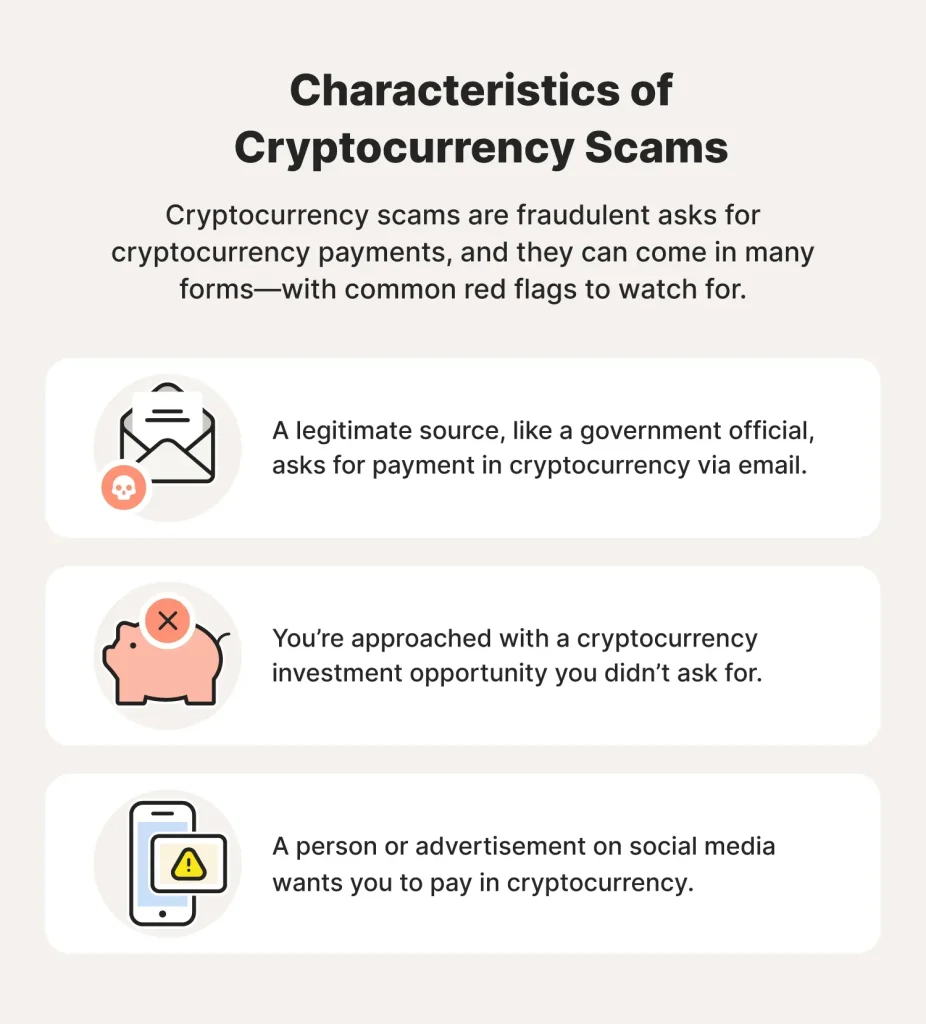
For many readers, cryptocurrency security best practices are an ongoing discipline, not a one-off setup, especially as digital assets grow in value, become more widely used, and attract increasingly sophisticated threats targeting wallets, exchanges, and personal devices in homes and offices, across consumer wallets, corporate treasuries, and decentralized finance platforms, recognizing that attackers target every entry point.Threats range from malware and phishing to sophisticated social-engineering schemes and exchange breaches, so a layered defense that blends software hygiene, hardware controls, user training, incident response, ongoing monitoring, defense-in-depth, regularly updated firmware, vetted applications, device encryption, threat modeling, and routine audits matters more than any single product.