Programming

Functional Programming First: Should You Learn It Over OOP?

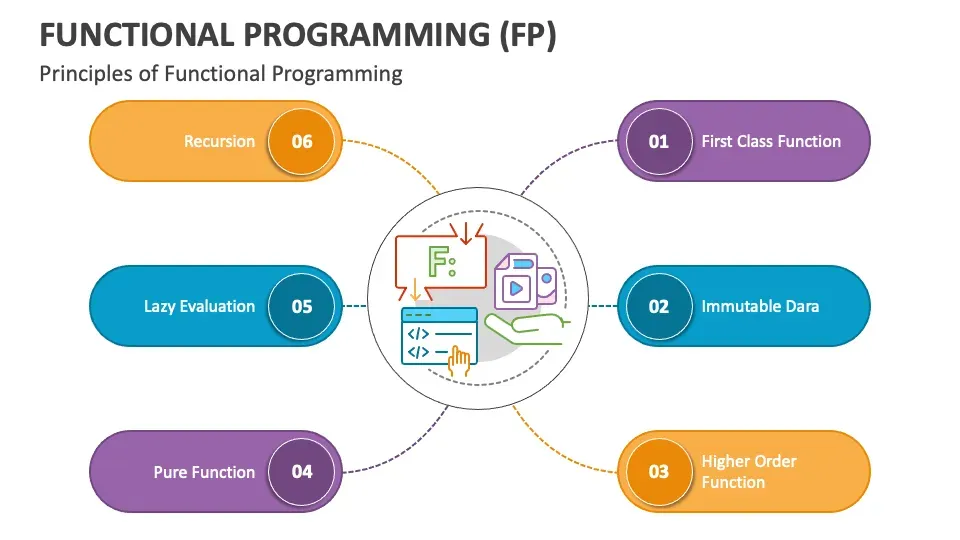
Functional Programming is a paradigm that emphasizes pure functions, immutability, and predictable data transformations, making it a powerful lens for writing robust software.In practice, learners often ask which programming paradigm to learn first, and understanding the functional programming advantages can illuminate goals before diving into FP vs OOP differences.

Functional Programming First: Should You Learn It Over OOP? Read More »

Version Control and Collaboration for Programmers: Git

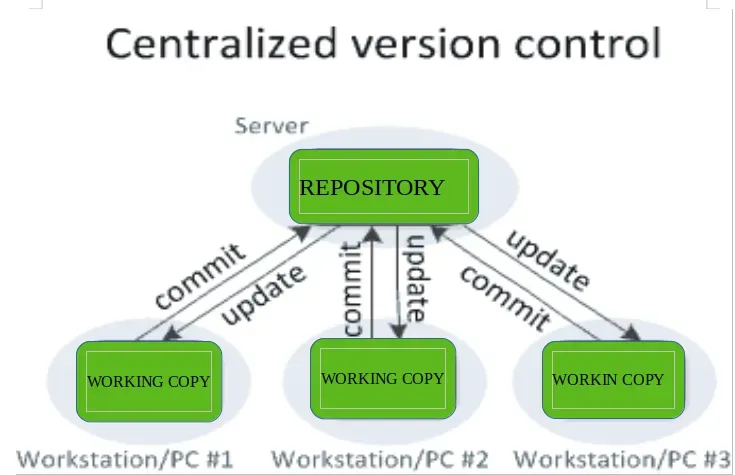
Version Control and Collaboration for Programmers is the backbone of modern software teams, enabling safe, coordinated changes across dozens of contributors while preserving a clear, searchable history that explains the why behind every decision.This disciplined practice unlocks faster delivery, better traceability, and blameless retrospectives by letting you see who touched which lines and when.

Version Control and Collaboration for Programmers: Git Read More »

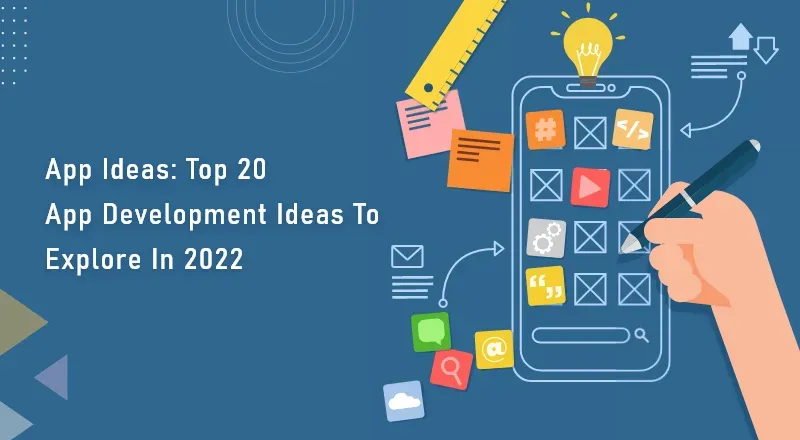
Mobile App Programming: Build Native and Cross-Platform Apps

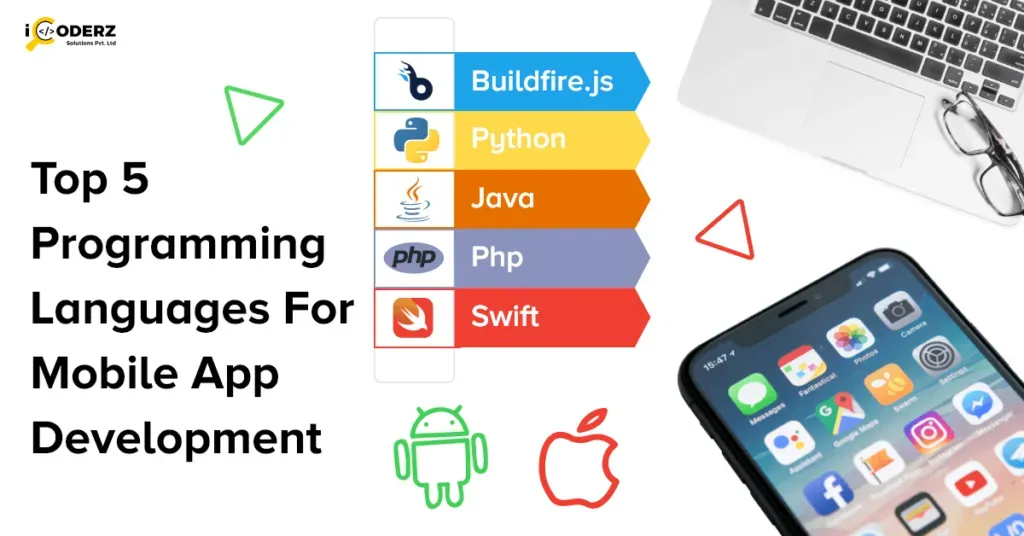
Mobile App Programming sits at the heart of modern software development, driving how people solve everyday tasks on their phones and shaping the strategies of startups and enterprises alike.From native app development that taps into platform-specific performance to cross-platform mobile development that aims for broad reach, the choices you make determine performance, UX, and time to market, and as platforms evolve, teams must weigh declarative UI choices, modular architectures, and rigorous testing strategies.

Mobile App Programming: Build Native and Cross-Platform Apps Read More »

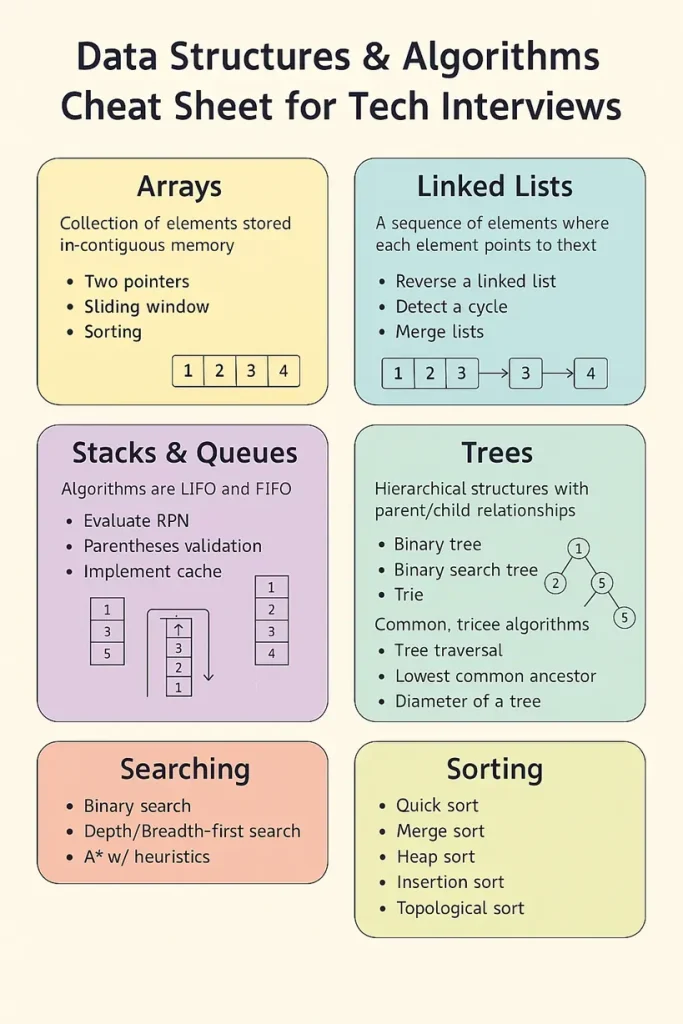
Data Structures and Algorithms for Programming Interviews

Data Structures and Algorithms for Programming Interviews lay the foundation for mastering problem solving under pressure, turning abstract ideas into practical, testable approaches that shine in coding interviews by guiding you to locate the core structure of a problem, select the most appropriate data representation, and communicate your reasoning clearly to interviewers, even when faced with ambiguous requirements, tricky edge cases, and time constraints; this mindset translates across roles—from software engineers building scalable systems to interviewers evaluating problem-solving agility—ensuring your preparation remains purposeful and aligned with real-world coding practices.From your first steps in algorithm prep to the final polish before a real session, you learn to map a wide range of questions to enduring patterns, practice, and a disciplined workflow that reduces hesitation, helps you articulate a plan aloud, builds a repository of reusable solutions you can adapt quickly under interview pressure, and it also helps you prioritize quality over sheer volume by focusing on understanding rather than memorization.

Data Structures and Algorithms for Programming Interviews Read More »

dtf transfers

| turkish bath |

© 2026 TalkyTech News