
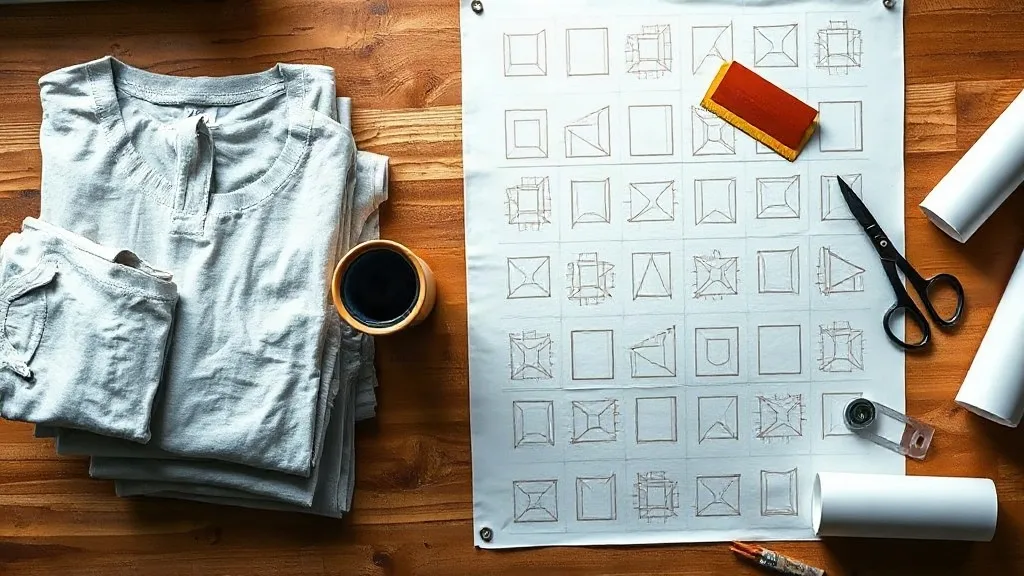
Most people who start printing custom tees do not begin with a business plan. They begin with a friend asking for a birthday shirt, or a small team needing matching tops for an event. Somewhere between the first order and the tenth, the numbers start to matter. That is the moment when blank choice and print layout stop being afterthoughts and become the two decisions that decide whether a project earns money or quietly eats it. This guide walks through how shaka wear blanks and a DTF Gangsheet Builder fit together, and why that pairing is worth understanding before you take on your next batch of orders.
Why the Blank Matters More Than Most Beginners Expect
Print quality gets blamed for a lot of problems that actually start with the garment. A design that looks crisp on screen can look muddy, stiff or washed out once it lands on a fabric that does not hold ink well. Heavier cotton blends tend to accept DTF transfers cleanly, while very thin or highly synthetic fabrics can produce a plastic-like hand feel that customers notice immediately.
Shaka Wear sits in a useful middle ground here. The brand is known for heavyweight cotton tees and fleece with a boxy, streetwear-friendly cut, which is exactly the silhouette that sells well in the custom apparel space right now. For a print shop, that means the blank already carries some of the style work. You are not fighting the garment to make the design look good.
There is also a practical side that rarely gets mentioned in marketing copy: consistency. When you reorder the same blank style, the weight, shade and shrinkage behaviour stay predictable. That matters when a client comes back six months later wanting twenty more shirts that match the original order.
What a DTF Gangsheet Builder Actually Solves
Direct-to-film printing works by printing designs onto a film sheet, powdering the wet ink with adhesive, curing it, and then pressing the transfer onto fabric. The film is sold and used by length, so every square inch you leave empty is money you paid for and did not use.
A gangsheet builder is the tool that fixes this. Instead of printing one design per sheet, you upload multiple designs, arrange them on a single layout, and send the whole sheet to print at once. The DTF Gangsheet Builder on Harwin DTF is built around this idea: you add artwork, the tool helps you pack it efficiently, and you order the finished sheet by size.
The real savings show up in three places
- Film cost: a tightly packed sheet uses far less film per transfer than a series of single-design prints.
- Time: one press session for a full sheet beats setting up dozens of individual jobs.
- Mistakes: seeing the whole layout before printing catches sizing errors that would otherwise waste film and ink.
None of this is glamorous, but it is the difference between a print operation that scales and one that stalls out because margins are too thin to reinvest.
Pairing Shaka Wear Blanks With Gangsheet Planning
Here is where the two ideas connect. Suppose you have a small brand selling heavyweight tees with four different graphic options. You could order each design as a separate print run, but that means four setups, four films and four chances to miscalculate how many of each size you need.
With a gangsheet, you place all four designs on one sheet, sized to the print areas of the Shaka Wear tees you are producing. A front print on a boxy heavyweight tee typically sits in a defined zone, so you can plan the layout around the actual garment rather than guessing. The result is a single film you can cut and press across your whole run, with a clear record of how much material each shirt consumed.
That record is worth keeping. Once you know a medium heavyweight tee uses a certain amount of film for a given design size, you can price future orders with real numbers instead of vague estimates. Pricing confidence is one of the least discussed advantages of gangsheet planning, and it is often what separates hobby printers from people who can quote a job without anxiety.
A simple workflow to try
- Decide the garment first. Pick the Shaka Wear style and colourway, then confirm the printable area for the sizes you are producing.
- Group designs by order. Keep one customer or one drop per gangsheet where possible, so cutting and pressing stay organised.
- Nest tightly but leave a small gutter between designs for clean trimming.
- Print a test sheet for any new artwork before committing to a full run.
- Log the film used per shirt so your next quote is based on data, not guesswork.
Common Mistakes That Waste Film and Patience
The most frequent error is scaling artwork to look impressive on screen rather than to fit the garment. A design that fills a large film sheet may be far too big for a chest print, and resizing after printing is not an option. Set the final physical dimensions before you build the layout.
The second mistake is mixing incompatible orders on one sheet. If two clients need their transfers at different times, packing them together creates a cutting and sorting problem later. Keep sheets tied to a single production run whenever you can.
Third, many printers skip the colour check. DTF transfers can shift slightly depending on the fabric underneath, especially on darker garments. A quick press test on an offcut of the same Shaka Wear fabric saves a lot of reprints. Anyone who has peeled a transfer off a finished shirt knows how expensive that lesson is.
Who This Setup Suits Best
Small apparel brands, event organisers, team merchandise sellers and print shops handling a steady flow of short runs all benefit from combining heavyweight blanks with planned film layouts. The sweet spot is between ten and a few hundred pieces: enough volume that waste matters, but not so much that you would move to screen printing.
For one-off gifts, a gangsheet may be more structure than you need. But as soon as you are producing the same design across multiple sizes, or several designs for one client, the maths changes quickly. Heavyweight shaka wear tees plus a well-packed DTF Gangsheet Builder layout give you a repeatable process rather than a series of one-off experiments.
Frequently Asked Questions
Can I use a DTF gangsheet on heavyweight cotton tees?
Yes. DTF transfers bond well to cotton and cotton blends, and heavyweight fabrics generally handle the press heat without issues. Always follow the press temperature and time recommended for the film and confirm with a test piece on the exact garment you plan to sell.
How much film should I leave between designs on a gangsheet?
A small gutter of a few millimetres is usually enough for clean trimming. The exact amount depends on your cutting method. If you cut by hand, leave slightly more room so you are not trimming into a neighbouring design.
Is a gangsheet cheaper than ordering single DTF prints?
In most cases, yes, because you are paying for film area rather than per design. The saving grows as the layout gets tighter. For very small or very large designs, compare the packed sheet cost against single prints before committing.
Do Shaka Wear blanks shrink after washing?
Cotton garments can shrink slightly, especially on the first wash. Wash cold and tumble dry low to limit it. If you are printing for a client with strict sizing requirements, press the transfer after any pre-shrinking wash rather than before.
Can I mix different design sizes on one gangsheet?
Yes, and mixing sizes is often the best way to fill gaps. Place larger designs first, then nest smaller ones into the leftover space. Just keep each design within the printable area of the garment it is intended for.