
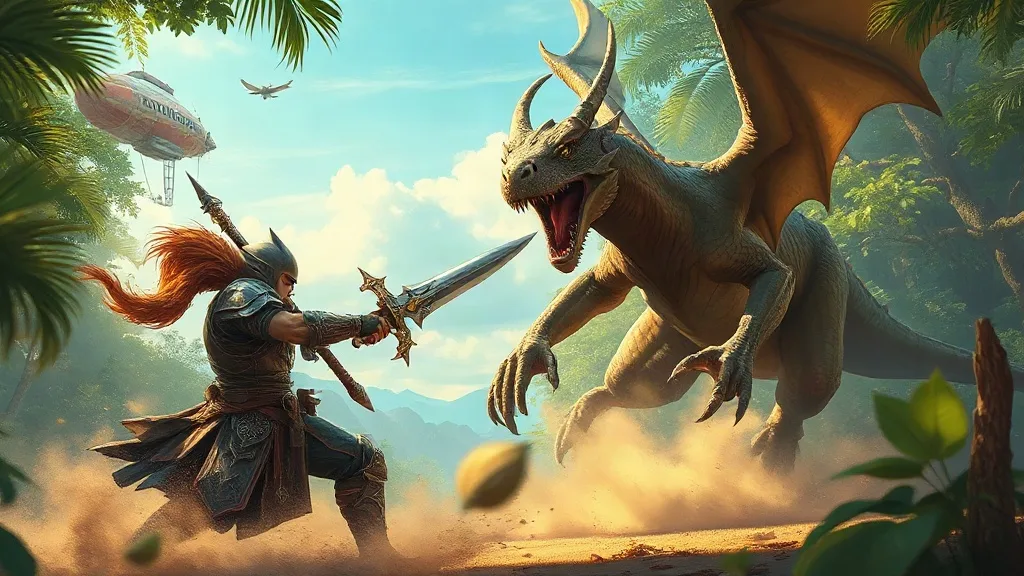
Monster Hunter Outlanders is the latest attempt to shrink the series' sprawling hunts onto a phone screen, and on the surface it looks like a seamless transition. The familiar loop of tracking monsters, crafting gear, and taking down towering beasts is intact, and the visuals are surprisingly close to what you'd expect from a console entry. But spend a few hours with it, and you'll notice the seams: progress gates that nudge you toward spending, and a pacing that feels designed to keep you engaged just long enough to consider it. In this review, we break down what works, what doesn't, and whether this mobile hunt is worth your time.
A Familiar Hunt, Now in Your Pocket
From the first quest, Outlanders makes it clear that it's not a dumbed-down spin-off. You still gather resources, craft armor and weapons, and hunt monsters with a variety of weapons that each play differently. The controls have been adapted for touch, with virtual joysticks and buttons that are responsive enough for most encounters. The core loop of hunting, carving, and upgrading remains as addictive as ever, and the satisfaction of taking down a tough monster with a well-timed combo is preserved. The game also introduces a few mobile-friendly twists, like shorter quests and the ability to quick-craft items on the go, which fit the pick-up-and-play nature of the platform.
Visuals That Punch Above Their Weight
Visually, Outlanders is a looker. Monster designs are detailed, environments are lush, and the animations carry the weight you'd expect from a charging Diablos or a soaring Rathalos. On higher-end devices, the game runs smoothly, though we did notice occasional frame drops during busy fights. The art style stays true to the series, with vibrant colors and over-the-top armor sets that fans will recognize. It's clear that a lot of care went into making this feel like a mainline Monster Hunter game, not a cheap imitation.
Combat and Controls
Combat is where Outlanders shines. Each weapon type retains its unique feel, from the heavy hits of the Great Sword to the agile dual blades. The touch controls are customizable, allowing you to resize and reposition buttons to your liking. However, complex combos can be tricky to pull off on a touchscreen, and the lack of tactile feedback means you'll occasionally misinput. The game does support controllers, which we highly recommend for tougher hunts. The dodge and block mechanics are responsive, and the monster tells are readable enough to reward skilled play.
The Grind and the Gates
Progression in Outlanders follows the familiar pattern: hunt monsters, gather materials, forge better gear, and take on tougher foes. But the mobile format introduces a new layer: progress gates that slow your advancement unless you engage with the game's microtransactions. These gates manifest in various ways, such as limited daily quests that yield essential materials, or timers on crafting and upgrades that can be sped up with premium currency. While you can technically progress without spending, the pacing feels deliberately slowed to encourage purchases. For example, certain high-tier monsters require materials that are only available through daily log-in bonuses or event quests, which can create a bottleneck if you miss a day.
It's a system that's become all too common in mobile games, and it's disappointing to see it here. The core hunting experience is strong enough that these gates feel like an unnecessary obstacle. That said, the game is generous with free currency in the early hours, and dedicated players can still make steady progress through smart resource management. But if you're looking for a purely skill-based progression system, you may find the grind frustrating.
Microtransactions: How Deep Does It Go?
Outlanders offers a variety of microtransactions, from cosmetic items to boosters and premium currency. The cosmetics are tempting, with flashy armor sets and weapon skins that let you stand out in multiplayer. The boosters, however, are more concerning: they can increase material drops or reduce crafting times, giving paying players a tangible advantage. While the game doesn't seem to have a competitive PvP mode where this would matter, it does affect the co-op experience, as players with boosters can progress faster and bring better gear to hunts. It's not pay-to-win in the traditional sense, but it's pay-to-progress-faster, which can still create a divide.
Multiplayer and Social Features
Hunting with friends is a highlight. Outlanders supports up to four-player co-op, and connecting with others is straightforward. You can join hunts with random players or set up private rooms with friends. The multiplayer experience is smooth, with minimal lag in our tests. The game also includes a guild system, where you can join a group of like-minded hunters, chat, and participate in guild-exclusive quests. These social features add longevity and make the grind more enjoyable, as you can share tips and tackle tough monsters together. However, the guild system feels a bit bare-bones compared to what you'd find in other mobile RPGs, and we'd love to see more community events in the future.
Events and Live Content
Like many mobile games, Outlanders has a live content schedule with rotating events and limited-time quests. These events often introduce new monsters or gear, giving players a reason to return. The cadence seems reasonable, with events running for a week or two, but the rewards are sometimes tied to the microtransaction system, requiring you to purchase event passes to get the best loot. It's a double-edged sword: events keep the game fresh, but they also serve as another vector for monetization.
Performance and Technical Issues
On a modern smartphone, Outlanders performs well, with load times that are acceptable for a mobile game. We did encounter occasional crashes during our review period, particularly when transitioning between areas, but these were infrequent. The game requires a persistent internet connection, which is standard for the genre but worth noting if you plan to play on the go. Battery drain is significant, so be prepared to carry a power bank for longer sessions. The user interface is clean and easy to navigate, though some menus feel cluttered with icons and notifications.
Is It Worth Your Time?
Monster Hunter Outlanders is a competent mobile adaptation that captures the essence of the series. The hunting loop is as compelling as ever, and the visuals are impressive for the platform. However, the progress gates and microtransactions are a constant presence, and they may sour the experience for those who prefer a fair grind. If you're a Monster Hunter fan looking for a portable fix, you'll find a lot to like here, especially if you're willing to spend a little or play patiently. But if you're allergic to mobile monetization, you might want to approach with caution. It's a hunt worth taking, but be aware of the traps along the way.
Frequently Asked Questions
Is Monster Hunter Outlanders pay-to-win?
Not exactly. You can progress without spending money, but the game's progress gates and boosters give paying players a faster route to better gear. It's more pay-to-progress-faster than pay-to-win, but the advantage is noticeable.
Can I play Monster Hunter Outlanders offline?
No, the game requires a persistent internet connection to play, even for single-player quests. This is likely to prevent cheating and to support the live service model.
Does Monster Hunter Outlanders support controllers?
Yes, the game supports Bluetooth controllers, which we highly recommend for a more comfortable and precise experience, especially during tough hunts.
How often are new monsters added?
The game has a live content schedule with events and updates that introduce new monsters and gear. The frequency seems to be roughly monthly, but it may vary.
Is cross-play available with other platforms?
No, Monster Hunter Outlanders is a mobile-only title and does not support cross-play with console or PC versions of Monster Hunter games.