
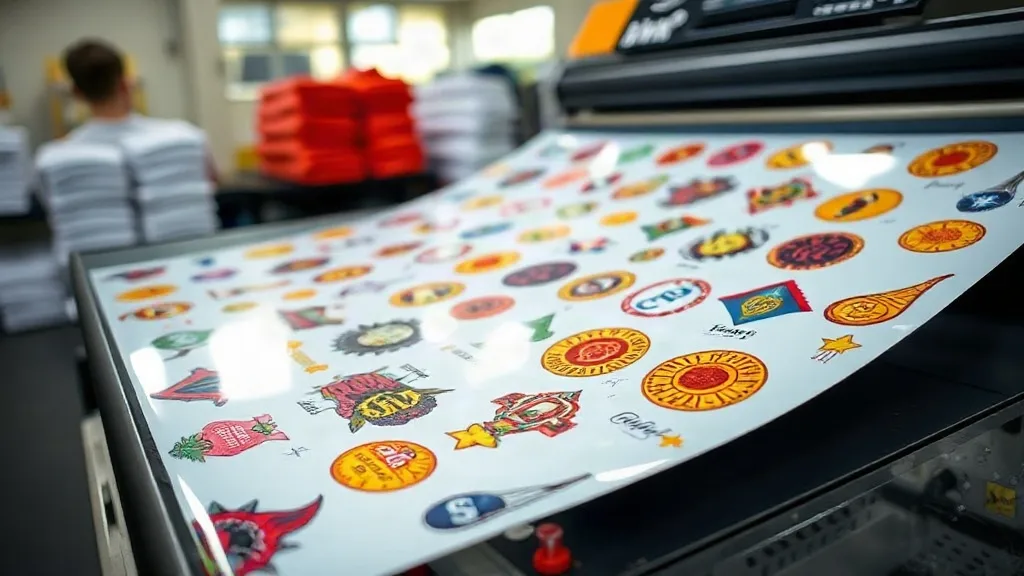
Running a print shop means juggling dozens of small orders every day, and the margins on those jobs can disappear fast if you are not careful. You have probably heard about gang sheets, but if you are still printing one design at a time, you are leaving money on the table. A DTF Gangsheet is a game changer for shops that want to maximize efficiency and reduce waste. In this guide, I will walk you through what gang sheets are, why they matter, and how to use them to transform your production process.
What Exactly Is a DTF Gangsheet?
In simple terms, a gang sheet is a large sheet of transfer film that holds multiple designs. Instead of printing each job individually, you arrange several designs on one sheet, send it to your DTF printer, and then cut them apart after printing. This approach is not new in screen printing, but it has become a hot topic in the DTF world because it solves some unique challenges.
With DTF, you are printing onto a special film, powdering it with adhesive, and then curing it. If you print one small design at a time, you waste a lot of film and powder. A gang sheet lets you fill the entire sheet with designs, so you use almost every square inch. That means less waste and more profit per print.
Why Gang Sheets Are a Game Changer for Small Shops
Small print shops often struggle with efficiency. You might have a handful of orders for a single shirt each, and printing them individually is slow and costly. Gang sheets allow you to combine multiple orders onto one sheet, regardless of whether they are for different customers or different designs. This batching saves time and reduces setup costs.
Moreover, gang sheets help you offer competitive pricing. When you reduce waste and labor, you can pass some of those savings to your customers or keep more profit. Either way, your bottom line improves.
How to Build an Effective Gang Sheet
Creating a gang sheet is not just about throwing designs onto a canvas. You need to plan carefully to avoid mistakes and maximize efficiency. Here are some practical steps to follow.
1. Choose the Right Sheet Size
DTF gang sheets come in various sizes, typically matching the width of your printer. Common widths are 13, 17, and 22 inches. The length can be customized up to several feet. Start with a size that fits your typical order volume. If you are just starting, a 13-inch wide sheet might be sufficient. As you grow, you can move to wider sheets to accommodate more designs.
2. Use Design Software to Nest Efficiently
Nesting is the art of arranging designs to minimize empty space. Most design software, like Photoshop or Illustrator, allows you to manually place designs. However, there are specialized tools and online gang sheet builders that automate this process. They can rotate and reposition designs to fill gaps, saving you time and film. If you are doing it manually, start with the largest designs and fill in smaller ones around them.
3. Consider the Cutting Process
After printing, you will need to cut the designs apart. Leave enough space between designs for clean cuts, especially if you are using a vinyl cutter or scissors. A small gap of 0.1 to 0.2 inches is usually sufficient. Also, think about the shape of each design; irregular shapes might require more spacing to avoid overlapping cuts.
4. Group Similar Jobs
If you have multiple orders that use the same fabric color or design, group them on the same sheet. This reduces the need to change materials and speeds up the process. For example, if you have ten orders for black t-shirts with different designs, print all ten designs on one sheet. Then you can press them onto the shirts in one batch.
Common Mistakes to Avoid with Gang Sheets
Even experienced shops can run into problems with gang sheets. Here are some pitfalls to watch out for.
- Overcrowding: Trying to fit too many designs can lead to cutting errors and misaligned prints. Leave a little breathing room.
- Ignoring film direction: DTF film has a coated side and an uncoated side. Make sure you print on the correct side, and arrange designs accordingly.
- Forgetting about color consistency: If you have multiple designs with the same color, ensure they are printed in the same run to avoid slight color variations.
- Not accounting for shrinkage: Some fabrics shrink after washing, so leave a little extra space around designs that will be pressed onto stretchy materials.
How Gang Sheets Save You Money
Let us break down the savings. DTF film and powder are significant costs. If you print one 5x5 inch design on a 13x19 inch sheet, you waste over 80% of the film. With a gang sheet, you can fill that same sheet with multiple designs, reducing waste to under 10%. Over hundreds of prints, that adds up to substantial savings.
Labor is another factor. Each time you load a sheet, print, powder, and cure, you spend time. Gang sheets reduce the number of cycles, so you can produce more in less time. That means you can take on more orders without hiring extra staff.
Integrating Gang Sheets into Your Workflow
To make gang sheets work for you, you need to adjust your workflow. Start by collecting orders until you have enough to fill a sheet. This might mean waiting a day or two, but the efficiency gains are worth it. Communicate with your customers about slightly longer turnaround times if necessary, or offer a discount for batch orders.
Invest in a good cutter, such as a vinyl cutter or a rotary trimmer, to speed up the cutting process. Also, keep a log of your gang sheet layouts so you can reuse successful arrangements.
Frequently Asked Questions
Can I use gang sheets for different fabric types?
Yes, but you need to consider the pressing temperature and time for each fabric. If you have designs for different fabrics on the same sheet, press them separately according to the fabric requirements. The transfer itself is the same, but the application varies.
How do I ensure my gang sheet designs don't overlap when cutting?
Use design software to add a small gap between designs. A gap of 0.1 to 0.2 inches is usually enough. You can also use a cutting mat with grid lines to guide your cuts.
What is the maximum length for a DTF gang sheet?
It depends on your printer and the film roll. Most DTF printers can handle rolls up to 100 feet, but practical limits are around 5 to 10 feet for easy handling. Check your printer's specifications.
Can I mix different design sizes on one gang sheet?
Absolutely. In fact, mixing sizes is a great way to fill gaps. Place larger designs first, then fill smaller ones around them.
Do gang sheets work with specialty inks like metallic or glow-in-the-dark?
Yes, but you may need to adjust your printing settings. Specialty inks might require different powder or curing times. Test a small batch first to ensure compatibility.
Gang sheets are not just a trend; they are a proven method to increase efficiency and profitability. By adopting this approach, you can compete more effectively and keep your customers happy with fast, affordable prints. Give it a try and see the difference in your shop's output and bottom line.