
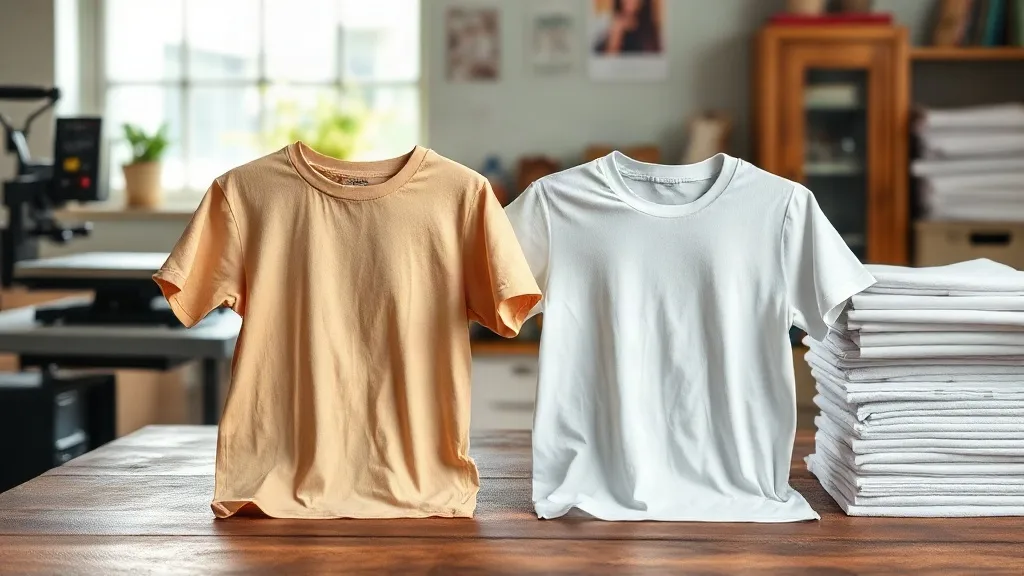
If you run a print shop, you already know that the blank you choose is just as important as the design you press onto it. A great print on a mediocre blank feels like a wasted opportunity, and a bad blank can turn a loyal customer into a one-time buyer. That's why so many shop owners keep coming back to shaka wear and smart blanks. Both brands have earned a reputation for quality, but they serve different needs and budgets. In this comparison, we'll break down what makes each one tick so you can decide which blank deserves a spot on your shelf.
The case for Shaka Wear
Shaka Wear has built a following among screen printers and DTF enthusiasts for one simple reason: consistency. Their blanks are known for a substantial hand feel, a boxy modern fit, and a fabric weight that holds up wash after wash. For shops that specialize in streetwear-inspired designs or heavyweight tees, Shaka Wear is often the first name that comes to mind.
When you press a DTF transfer onto a Shaka Wear tee, the fabric's tight knit helps prevent the print from sinking in, which means sharper details and more vibrant colors. The cotton is typically ringspun and combed, reducing the chance of stray fibers poking through the transfer. That translates to fewer rejects and happier customers.
Another advantage is the size range. Shaka Wear offers extended sizes, which is a big deal for shops that want to be inclusive without stocking multiple brands. And because the fit is consistent across colors, you can confidently quote a job without worrying about variations from one dye lot to the next.
Why Smart Blanks deserve a look
Smart blanks have carved out a niche as a budget-friendly option that doesn't sacrifice too much quality. For high-volume orders where cost per unit matters, Smart Blanks can be a smart choice. They're lighter weight than Shaka Wear, which makes them a good fit for summer apparel, promotional giveaways, and corporate events where breathability is a priority.
The fabric on Smart Blanks is generally softer out of the box, with a more relaxed drape. If your customers prefer a lightweight tee that feels broken-in from day one, this brand delivers. The print surface is smooth enough for DTF transfers, though you may need to adjust your press settings slightly to account for the lighter fabric weight.
One thing to keep in mind: because Smart Blanks are lighter, they may not hold up as well to aggressive washing or heavy wear. For personal use or one-off events, that's usually fine. But for customers who expect a tee to last for years, you might want to steer them toward a heavier option.
Fabric and construction compared
Let's get into the details that matter when you're standing at the heat press.
- Weight: Shaka Wear typically runs in the 5.5 to 6.5 oz range, giving it a substantial feel. Smart Blanks are often in the 4.5 to 5.5 oz range, making them lighter and airier.
- Knit: Shaka Wear uses a tighter knit, which provides a smoother surface for DTF transfers. Smart Blanks have a slightly looser knit that feels softer but may require a bit more pressure to get a clean transfer.
- Shrinkage: Both brands pre-shrink their fabrics, but Shaka Wear tends to shrink less overall. If you're printing for customers who demand exact sizing, Shaka Wear is the safer bet.
- Color consistency: Shaka Wear is known for tight color matching across dye lots. Smart Blanks are generally consistent, but you may see slight variations between batches.
Print performance with DTF transfers
DTF transfers are versatile, but they still interact differently with different fabrics. On Shaka Wear, the tighter weave means the adhesive powder has less room to sink in, so the transfer sits nicely on top of the fabric. The result is a print that looks crisp and feels smooth to the touch. You'll also notice less edge lifting after washing, especially if you follow the recommended press settings.
Smart Blanks, being lighter, may require a slightly lower temperature or shorter press time to avoid scorching. The softer fabric can also lead to a slightly softer print feel, which some customers prefer. However, because the fabric is thinner, you might see more texture from the shirt showing through the transfer, especially on darker colors. If your design has fine details or gradients, Shaka Wear will likely give you a cleaner result.
One tip from our own shop: when pressing on Smart Blanks, use a pressing pillow or a folded towel inside the shirt to support the seams and prevent the transfer from creasing. It's a small step that makes a big difference in the final look.
Cost and margin considerations
Price is always part of the equation. Smart Blanks generally come in at a lower wholesale price point, which can improve your margins on high-volume orders. If you're printing 200 tees for a local 5K run, the savings add up quickly. But lower cost doesn't always mean higher profit. If the blank doesn't meet the customer's expectations, you could end up eating the cost of a reprint or losing a repeat client.
Shaka Wear costs a bit more upfront, but the durability and consistent quality often justify the price. Customers who receive a Shaka Wear tee are more likely to wear it regularly and come back for more. In our experience, the repeat order rate on Shaka Wear is noticeably higher, which makes the initial investment worthwhile.
A smart approach is to offer both: use Smart Blanks for budget-conscious clients and promotional items, and reserve Shaka Wear for premium orders and retail-ready products. That way, you can serve a wider range of customers without compromising on quality where it matters most.
Which blank should you stock?
There's no one-size-fits-all answer. If your shop focuses on streetwear, heavyweight tees, or customers who value durability, Shaka Wear is the clear winner. If you need a cost-effective option for large events, giveaways, or lightweight summer apparel, Smart Blanks is a solid choice. Many successful shops stock both and let the project dictate the pick.
Before committing to a full case, order a sample of each and run a few test prints. Pay attention to how the fabric feels, how the transfer adheres, and how the shirt holds up after a few washes. Your customers will notice the difference, and so will your bottom line.
Frequently asked questions
Can I use DTF transfers on both Shaka Wear and Smart Blanks?
Yes, both blanks are compatible with DTF transfers. Just adjust your press settings for the fabric weight and always do a test press on a scrap piece first.
Which brand is better for plus-size customers?
Shaka Wear offers a more extensive size range, including extended sizes, and its heavier fabric tends to drape better on larger frames. Smart Blanks may have limited sizing options.
Do Smart Blanks shrink more than Shaka Wear?
Both are pre-shrunk, but Smart Blanks may shrink slightly more due to their lighter weight. Always wash in cold water and tumble dry low to minimize shrinkage.
Is Shaka Wear worth the higher price?
For premium orders and customers who expect longevity, yes. The consistent quality and durability often lead to repeat business, which offsets the higher upfront cost.
Can I mix Shaka Wear and Smart Blanks in the same order?
Absolutely. Many shops use Smart Blanks for budget items and Shaka Wear for premium pieces within the same order. Just be transparent with your customer about the differences in weight and feel.