
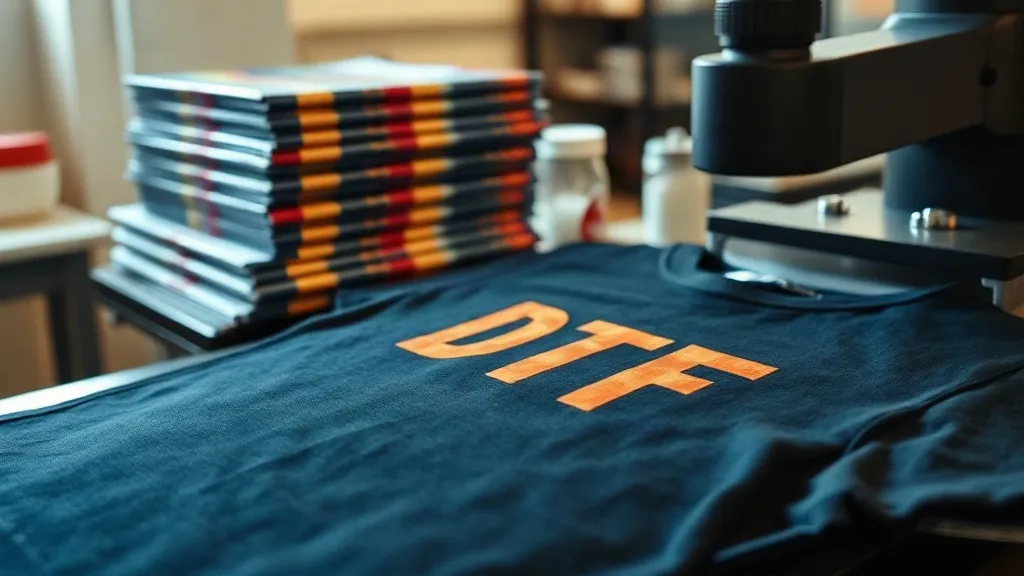
When a customer hands you a vintage denim jacket or a delicate polyester jersey and asks for a custom design, you need a printing method that won't back down. DTF transfers have become the go-to solution for print shops that face a wide range of fabrics daily. Unlike other methods that require specific fabric compositions, DTF (Direct to Film) works on almost anything you throw at it, from 100% cotton to blends, synthetics, and even leather. But achieving flawless results every time isn't just about having the right equipment; it's about understanding the nuances of the process. In this guide, we'll walk through the essential steps, common pitfalls, and expert techniques to ensure your DTF prints look sharp, feel soft, and survive countless washes.
Why DTF Transfers Are a Game-Changer for Print Shops
If you've been in the printing business for a while, you know the frustration of turning down jobs because the fabric doesn't match your method. Screen printing works great on cotton but struggles with synthetics. Vinyl is limited in detail and color. DTF changes the equation entirely. The process involves printing your design onto a special film, applying a powder adhesive, and then heat-pressing it onto the garment. The result is a vibrant, durable print that adheres to a wide range of materials. For shops looking to expand their offerings without investing in multiple machines, dtf is a versatile and cost-effective solution.
Moreover, DTF transfers eliminate the need for pre-treatment on most fabrics, saving time and reducing chemical use. The prints are stretchable, which makes them ideal for performance wear and athletic gear. And because the film can be stored, you can print on demand, reducing waste and inventory costs. It's no wonder that dtf transfers near me searches have skyrocketed as more shops adopt this technology.
Choosing the Right Supplies for Flawless DTF Prints
The quality of your DTF transfer starts with the supplies you use. Not all films, powders, and inks are created equal. Here's what to look for:
- Film: Opt for a film that releases cleanly and resists curling. A good film will have a consistent coating that prevents ink from bleeding.
- Powder: The adhesive powder should be fine and uniform. Coarse powder can lead to a gritty texture, while too fine a powder may not provide enough adhesion.
- Inks: Use high-quality DTF inks that are vibrant and opaque. Cheap inks may fade quickly or produce dull colors.
- Equipment: A reliable heat press with accurate temperature and pressure controls is essential. Don't skimp on this; inconsistent heat is a recipe for failed transfers.
Investing in premium supplies might cost more upfront, but it pays off in fewer rejects and happier customers. Many shop owners swear by specific brands after testing various options, so don't be afraid to experiment until you find the combo that works best for your workflow.
Step-by-Step Guide to Applying DTF Transfers
Applying a DTF transfer might seem straightforward, but attention to detail makes all the difference. Follow these steps to ensure a flawless finish:
- Preheat the garment: Set your heat press to the recommended temperature (usually around 300°F to 320°F). Preheat the garment for a few seconds to remove moisture and wrinkles. This step is crucial for proper adhesion.
- Position the transfer: Place the transfer film on the garment with the printed side facing up. Use heat-resistant tape to hold it in place if necessary.
- Press: Apply medium to firm pressure for 10-15 seconds. The exact time may vary depending on the film and powder, so always follow the supplier's instructions.
- Peel: Wait a few seconds for the transfer to cool slightly, then peel the film away smoothly. If you peel too soon, the design may smudge; too late, and it might crack.
- Post-press: For added durability, cover the design with a Teflon sheet or parchment paper and press again for 5-10 seconds. This ensures the powder fully melts and bonds with the fabric.
Practice on scrap fabric until you get the feel for the process. Once you dial in your settings, you'll be able to reproduce perfect results consistently.
Troubleshooting Common DTF Issues
Even with the best supplies and techniques, problems can arise. Here are some common issues and how to fix them:
Prints Cracking or Peeling After Wash
This usually indicates insufficient pressure or temperature during application. Double-check your heat press settings and ensure you're applying even pressure across the entire design. Also, verify that the powder was completely melted; if not, increase the post-press time.
Dull or Faded Colors
Faded prints often result from low-quality inks or improper curing. Ensure your printer is using genuine DTF inks and that the ink is fully dried before applying powder. Additionally, storing transfers in a cool, dry place prevents ink degradation.
Film Not Peeling Smoothly
If the film tears or leaves residue, it might be due to overheating or using incompatible film. Try lowering the temperature slightly and ensure the film is designed for DTF. Also, allow the transfer to cool completely before peeling if you're using a cold-peel film.
For more detailed guidance on troubleshooting, refer to our comprehensive dtf transfers resource page.
Fabric Compatibility: What Works Best with DTF
One of the biggest advantages of DTF is its versatility, but not all fabrics are equal. Here's a quick rundown:
- Cotton: Excellent adhesion and vibrant colors. Works well with both light and dark fabrics.
- Polyester: Good results, but be cautious with heat settings to avoid scorching. Lower temperatures may be needed.
- Blends: Generally fine, but test first as some blends with high synthetic content may require adjustments.
- Nylon and Leather: Possible with lower heat and pressure, but always do a test press to avoid damage.
- Mesh and Open Weave: Can be tricky as the powder may fall through. Use a fine powder and lower pressure.
Always conduct a test press on a small area or scrap piece of the same fabric to ensure compatibility.
Maximizing Efficiency and Profit with DTF
To stay competitive, print shops need to optimize their workflow. DTF allows for gang sheet printing, where multiple designs are printed on a single sheet, reducing waste and labor. By batching orders, you can produce transfers in advance and store them for quick fulfillment. This is especially useful for popular designs or for customers who order frequently.
Additionally, consider offering custom DTF services to local businesses, sports teams, or events. The ability to print on demand and on a variety of fabrics opens up new revenue streams. With the right marketing, you can attract customers searching for dtf transfers near me and build a loyal clientele.
Frequently Asked Questions
Can DTF transfers be applied to dark-colored fabrics?
Yes, DTF transfers work beautifully on dark fabrics because the white ink layer provides a bright base for the colors. Just ensure your printer uses enough white ink for opacity.
How long do DTF prints last?
When applied correctly, DTF prints can last as long as the garment itself, withstanding 50+ washes without significant fading or cracking.
Do I need a special printer for DTF?
You can use a modified inkjet printer with DTF inks, but dedicated DTF printers offer better reliability and consistency for high-volume shops.
What is the best way to store DTF transfers?
Store them in a cool, dry place away from direct sunlight. Keep them flat to prevent curling, and use them within a few weeks for optimal results.
Can I use DTF on 100% polyester?
Absolutely, but use lower heat settings (around 280°F) and light pressure to avoid melting or scorching the fabric.
Mastering DTF transfers is a journey, but with the right knowledge and supplies, you can achieve flawless prints on virtually any fabric. For more resources and to explore dtf solutions, visit our website. Happy printing!